Oil Change DIY in Dayton, OH: Risks Dayton Drivers Should Know
Many Dayton drivers wonder whether they can handle an oil change themselves, and the job looks simple on the surface. This article explains the real risks of doing it at home, the steps that often get missed, and what a local car oil change adds that a driveway job usually does not.
Why a DIY Oil Change Looks Easier Than It Is
Draining old oil and pouring in new oil sounds straightforward. The work involves lifting the vehicle, handling hot fluid, and sealing the engine correctly afterward. Each step carries a risk that a driver may not notice until something goes wrong.
Most problems come from the small details. A drain plug that is not tightened enough can leak, while one that is overtightened can strip the threads. A filter that is not seated correctly can leak oil onto the engine or fail under pressure.
Why Lifting the Vehicle Carries Real Risk
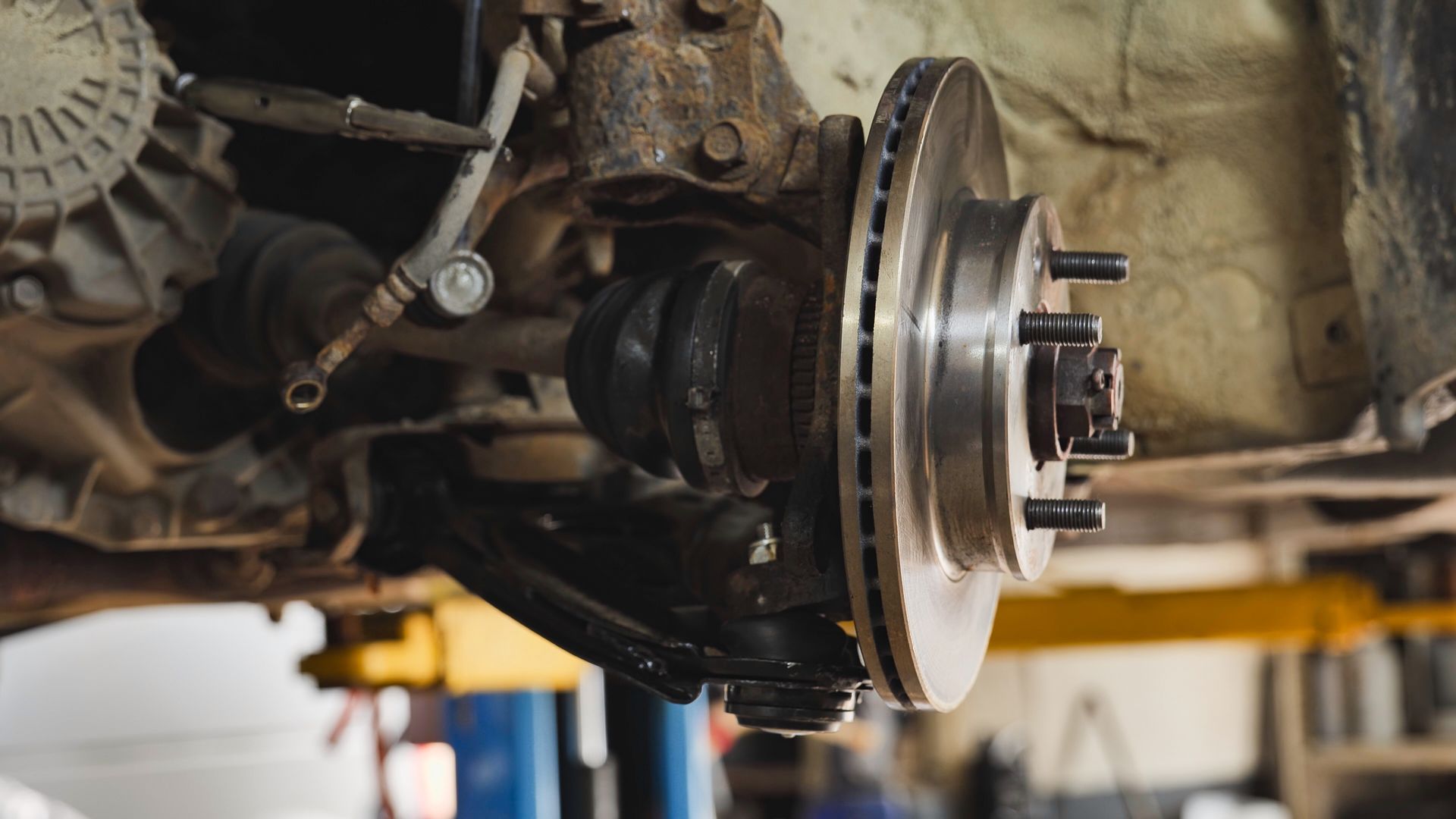
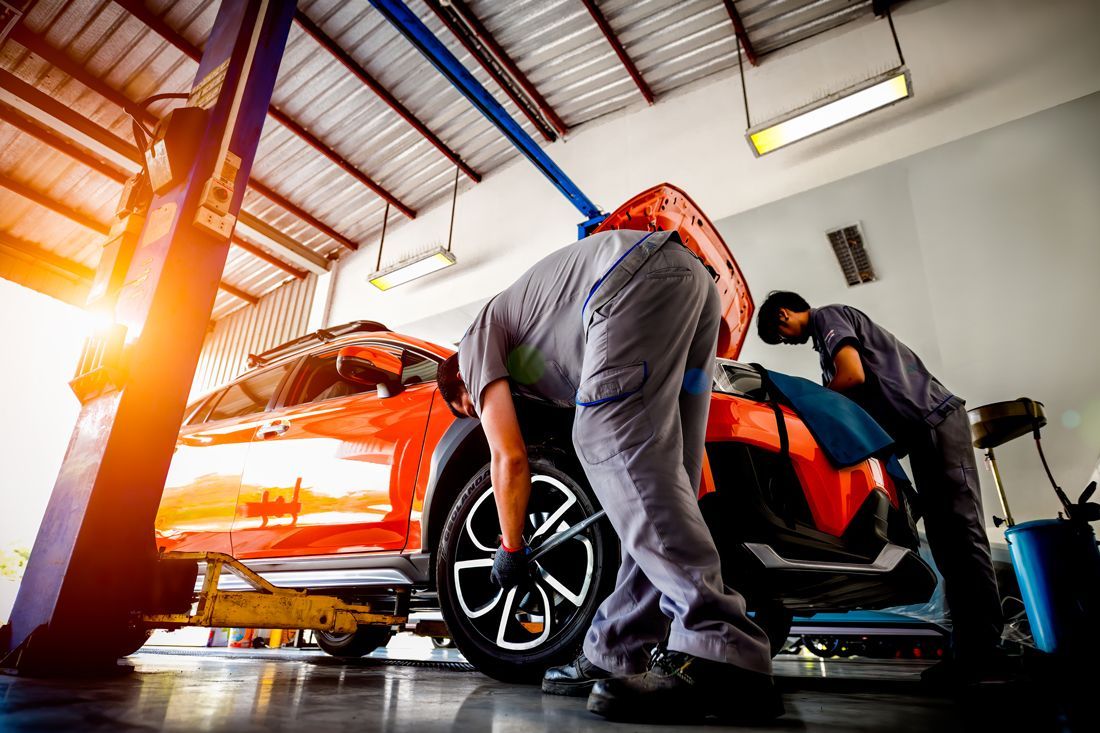
A car must be raised high enough to reach the drain plug and filter. Jack stands must be rated for the vehicle's weight and placed on solid, level ground. A vehicle that slips off a jack or a poorly placed stand can cause serious injury, which is one of the most important safety reasons to use a shop.
Choosing the Wrong Oil or the Wrong Amount
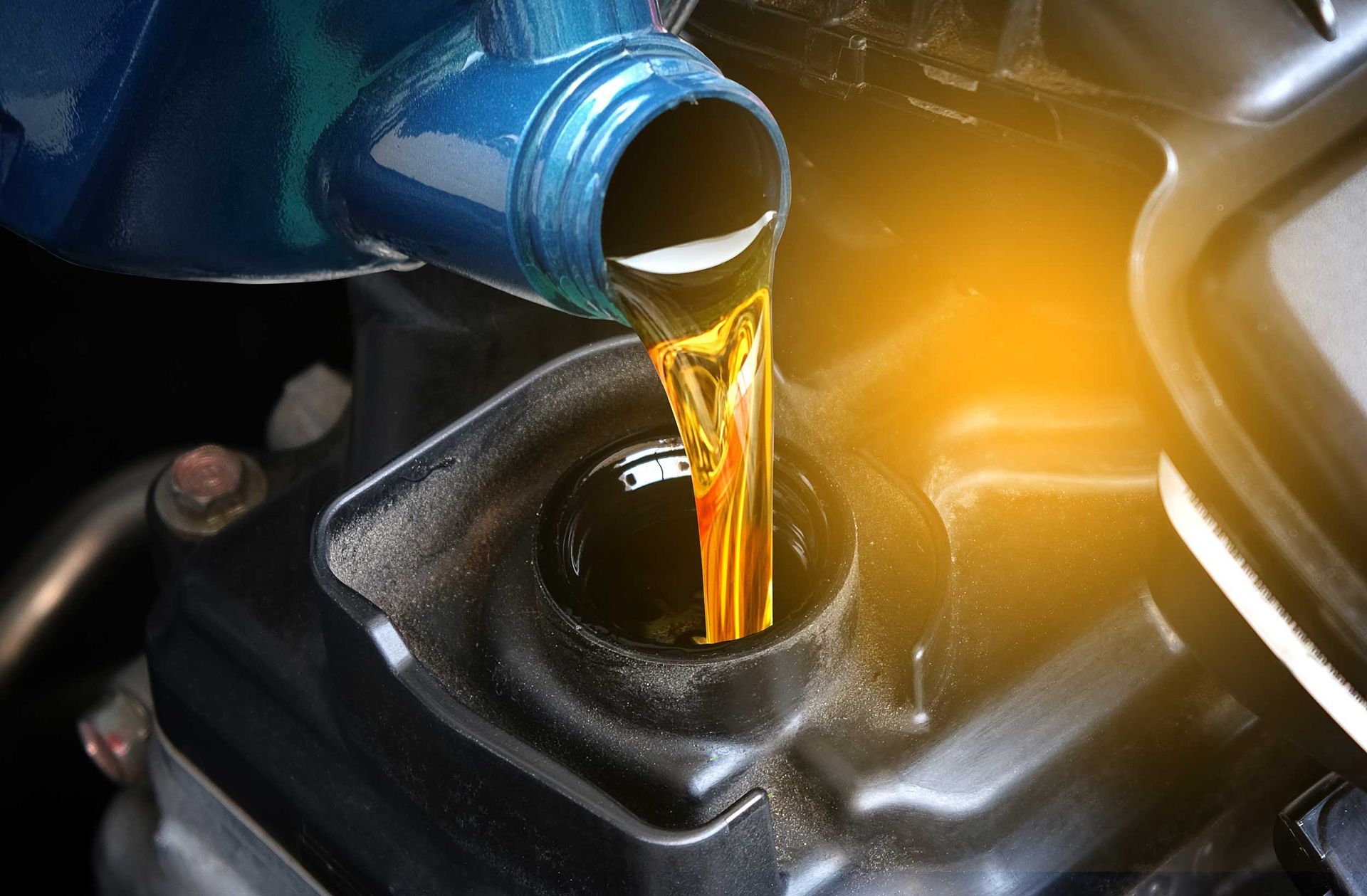
The correct oil type and viscosity depend on the engine and the manufacturer's specification. Many drivers use whatever oil is on sale, which can be the wrong grade for the engine. Synthetic oil, high-mileage oil, and conventional oil each suit different engines, and the wrong choice can affect protection over time.
Overfilling or underfilling is another common mistake. Too much oil can foam and reduce lubrication, while too little can leave engine parts under-lubricated. A technician confirms the quantity and checks the level after the engine runs.
Disposing of Used Oil Responsibly
Used motor oil is a hazardous material, and it must be collected and recycled. Pouring it down a drain, onto the ground, or into household trash can harm the environment and can lead to fines. Drivers who do their own oil changes need a safe way to store the old oil, the used filter, and the rag or pad they used to clean the work area.
A local car oil change handles disposal as part of the service. The old oil and filter leave the shop through a collection process, so the driver does not have to store or transport them.
Where to Take Used Oil in Dayton
Many auto parts stores and recycling centers accept used oil in clear containers. Call ahead to confirm the rules, since acceptance and container requirements can change. Keep the oil sealed and labeled so it can be handled safely.
Filters, Gaskets, and Fit
The oil filter is a common source of leaks. The new filter must be the correct size and type, and the gasket must sit flat against the engine. Lubricating the gasket before installation helps it seal, but overtightening the filter can crush the gasket and cause a leak.
A shop uses a torque specification where one applies, and a technician checks the filter area after the engine warms up. That check catches leaks that a driver might miss in a quick walk around the car.
What You Miss Without an Inspection
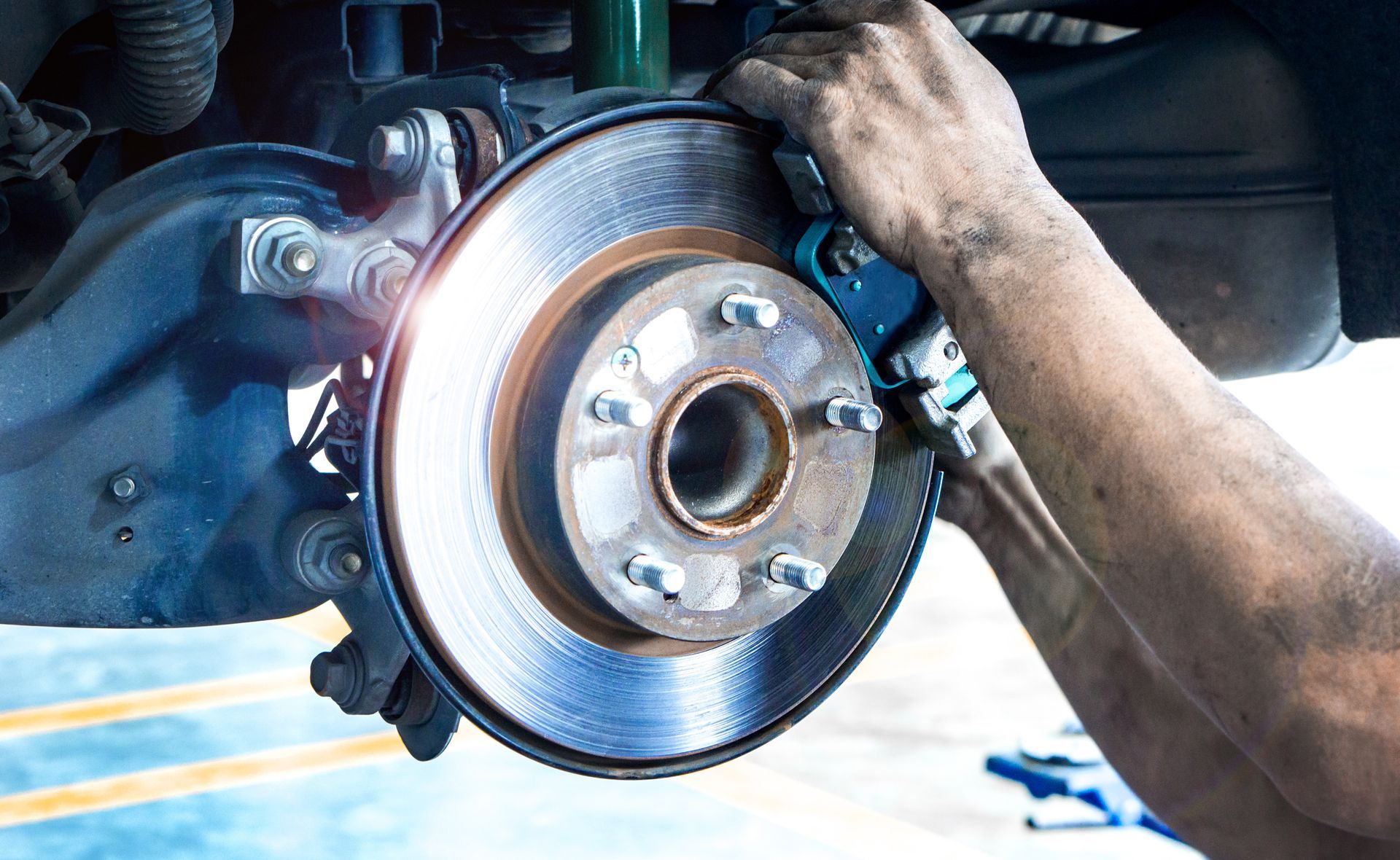
A DIY oil change usually focuses on the oil alone. A full service includes a multi-point inspection of the belts, hoses, tires, brakes, and battery. These checks catch developing problems early, before they become costly repairs or safety issues on the road.
A technician also notices leaks, cracked hoses, or uneven tire wear that a driver may overlook. Those findings are a practical reason to book a local car oil change rather than rely on a quick driveway job.
Warranty and Service Records
Some manufacturers ask owners to keep proof of regular maintenance, especially on newer vehicles. A shop visit creates a dated record of the oil type, the service, and the inspection. A driveway oil change may leave no record, which can make a future warranty claim harder to support.
Keeping receipts and a service log matters either way. A simple log of the date, mileage, oil type, and filter brand helps the next owner and any future service provider.
When a DIY Oil Change Makes Sense
Some drivers handle simple, low-risk tasks at home, such as checking the oil level, topping off washer fluid, and inspecting tires for wear. Those checks are useful between visits and need few tools.
Draining and refilling the engine oil is a different job. If the driver lacks jack stands, a safe place to work, a plan for used oil disposal, and the right specification, a local car oil change is the safer choice.
Get a Reliable Oil Change in Dayton
A local car oil change gives Dayton drivers the right oil, a proper filter fit, responsible disposal, and a multi-point inspection in one visit. The result is a clean record and fewer surprises on the road.
Elite Auto Experts LLC serves Dayton drivers from its shop at 9020 North Dixie Drive, and it works on vehicles model year 2000 and newer. For a full-service oil change, call
(937) 250-1287. You can also
schedule your service online or
review the full-service oil change the shop offers.