5 Warning Signs You Need a Car Brakes Repair Shop: A Guide for Dayton, OH Drivers
Knowing when your brakes need attention can be the difference between a safe stop and a dangerous situation. Your brakes work hard every day navigating stop-and-go traffic along I-75, US-35, and the North Dixie corridor. Recognizing these signs early and visiting a qualified car brakes repair shop can save you money and keep you and your passengers safe.
Sign 1: Squealing or High-Pitched Squeaking
Squealing when you press the brake pedal is often the first signal that your brake pads are wearing thin. Most brake pads include a small metal wear indicator that produces a high-pitched squeak when the pad material gets low.
This sound may come and go at first. Dayton winters bring freeze-thaw cycles that cause surface rust to form on rotors overnight, which may produce a brief squeal until it clears. If the noise persists beyond the first few stops of the morning, have a technician at a trusted car brakes repair shop take a look.
Sign 2: Grinding Noise When Stopping
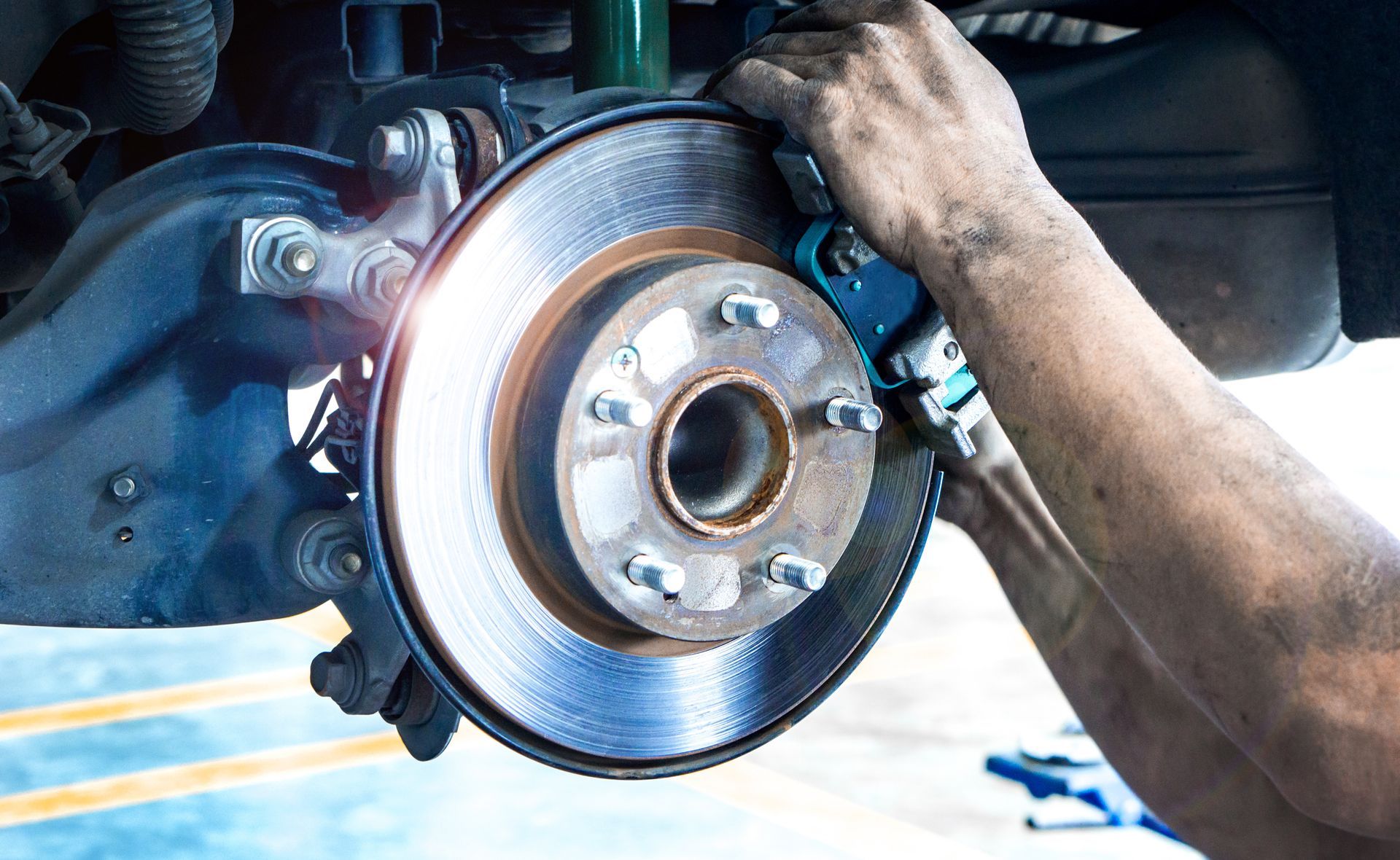
Grinding means action is needed soon. When brake pads wear down completely, the metal backing plate contacts the rotor directly, causing a harsh scraping sound. At this stage, the rotor itself can become damaged, turning a straightforward pad replacement into a more involved repair.
Drivers commuting through Huber Heights, Vandalia, or along the US-35 corridor put consistent daily mileage on their vehicles, which can accelerate pad wear faster than many drivers expect. Bringing your vehicle to a car brakes repair shop in Dayton, OH, at the first sign of grinding can prevent rotor damage and keep repair costs lower.
Sign 3: Vibration or Pulsing Through the Brake Pedal
A vibrating or pulsing pedal when braking often points to warped rotors. Rotors can warp from heat stress caused by repeated hard braking during extended stop-and-go conditions on I-75 or on Dayton's busier surface streets.
When a rotor is warped, the brake pad cannot make even contact with the rotor surface, creating that pulsing sensation. Vibration may also travel into the steering wheel. A qualified brake technician can perform an inspection to confirm whether resurfacing or rotor replacement is the right path.
Sign 4: Soft, Spongy, or Sinking Brake Pedal
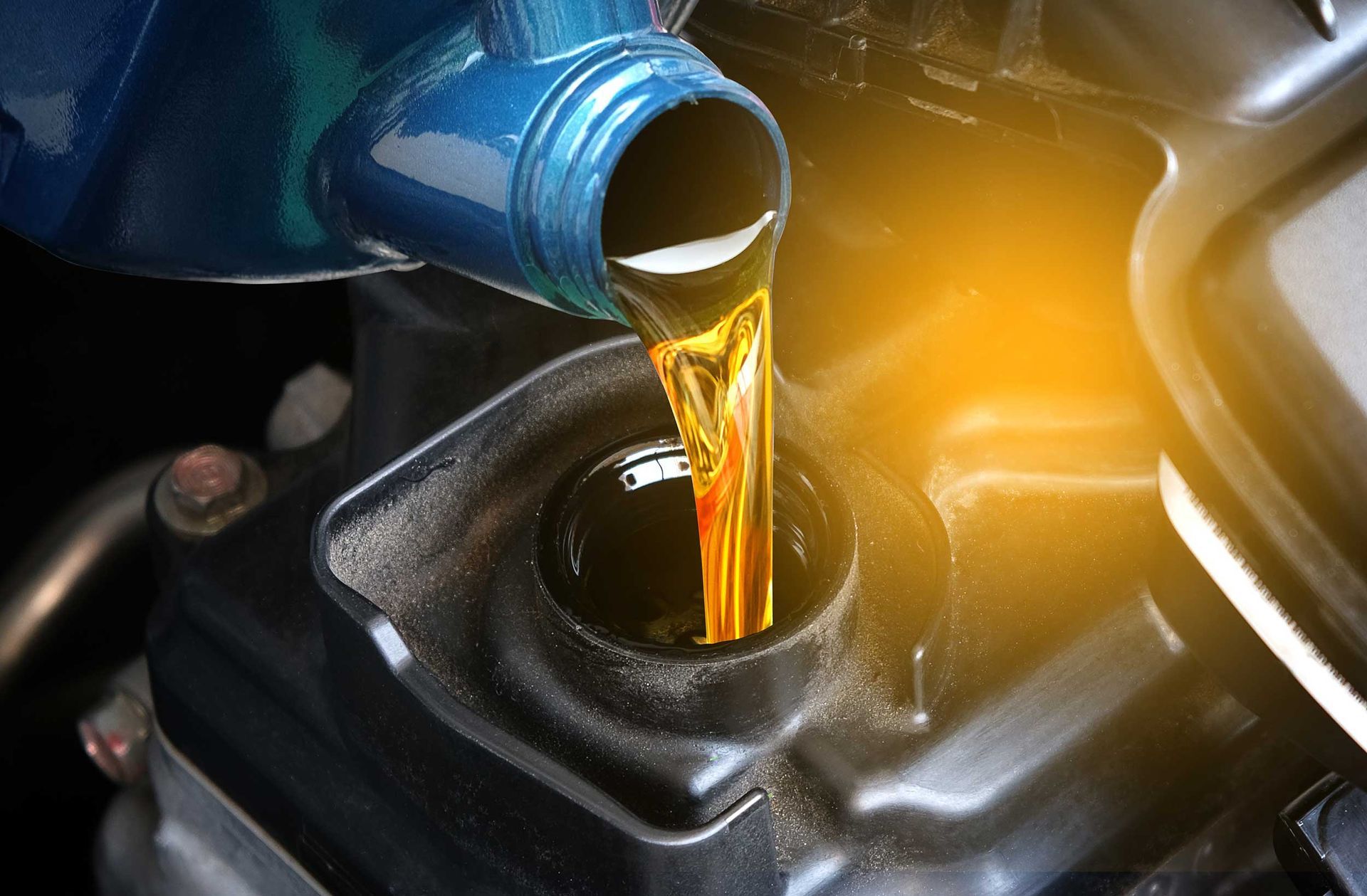
A pedal that feels soft or sinks closer to the floor than usual may indicate a brake fluid issue. Air in the brake lines, a fluid leak, or degraded brake fluid can all reduce hydraulic pressure, causing the pedal to lose firmness and increasing your stopping distances.
Brake fluid absorbs moisture over time, and in Dayton, OH, road salt and humidity can accelerate that process. A brake fluid flush at a reliable car brakes repair shop may restore pedal firmness and prevent further system damage. Visit our brake service page to learn more about what a full brake inspection covers.
Sign 5: Your Vehicle Pulls to One Side While Braking
Pulling to one side during braking often points to uneven brake wear or a stuck caliper. Calipers apply the clamping force that presses brake pads against rotors. When one caliper seizes or releases unevenly, one side brakes harder than the other, causing a pull.
This issue can also develop from a collapsed brake hose or contaminated fluid on one side of the axle. Pulling makes the vehicle harder to control in an emergency stop, which is a real safety risk on any of the area's busy roads.
Frequently Asked Questions
How Long Can I Drive After Hearing a Brake Squeal?
Squealing from worn wear indicators means your pads are getting low, not necessarily gone. Most technicians recommend scheduling an inspection within one to two weeks of first noticing the sound. Waiting can allow pads to wear to the metal stage, causing rotor damage and higher repair costs.
Can Cold Ohio Winters Affect How My Brakes Feel?
Yes. Surface rust on rotors commonly forms overnight when temperatures drop, producing a brief grinding sound in the morning that clears after the first few stops. Brake fluid also absorbs moisture over time, and freeze-thaw cycling can accelerate that process, leading to reduced pedal firmness.
What Is Included in a Brake Inspection?
A thorough brake inspection typically covers pad thickness, rotor condition, caliper function, brake lines, brake fluid quality, and the ABS system, giving you a clear picture of your entire braking system before deciding on any repairs.
Schedule Your Brake Inspection With the Local Experts
These five warning signs are your brakes communicating that something needs attention. The earlier you respond, the better your chances of keeping repair scope and cost manageable. Heavy traffic, winter road salt, and demanding daily commutes put extra strain on brake components, making routine checks especially important for Dayton, OH, drivers.
Elite Auto Experts LLC is a local, family-owned car brakes repair Shop serving Dayton, OH, and surrounding communities including Vandalia and Huber Heights. The team offers free brake inspections, transparent communication, and service for all makes and models, including luxury vehicles. Schedule your brake service appointment online or call (937) 250-1287 to speak with a technician today. You can also find and review Elite Auto Experts LLC on Google.